
RunMags journal
How to Automate Magazine Subscription Renewals
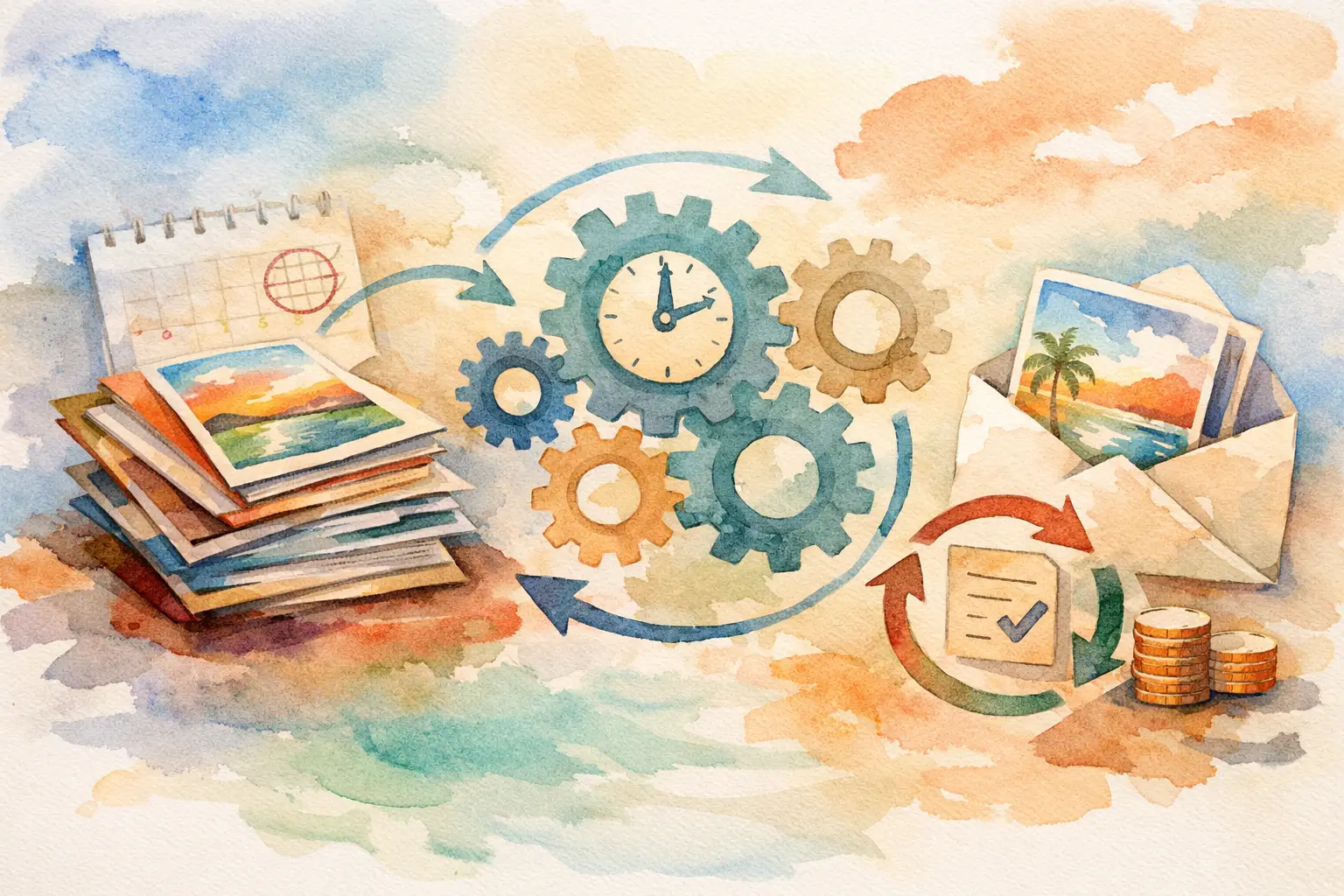
Every missed renewal has a cost. It is not just one subscriber slipping away. It is a circulation count that gets less reliable, a payment that arrives late or never shows up, and a staff member spending another hour chasing a task software should have handled.
That is why more publishers are asking how to automate magazine subscription renewals in a way that actually fits magazine operations. The goal is not to bolt on one more app. The goal is to build a renewal workflow that keeps subscriber data current, collects payment on time, and gives your team control without adding support headaches.
Why manual renewals break down fast
Manual renewal workflows often look manageable when a title is small. A spreadsheet tracks expiration dates. Someone exports a list once a month. Renewal notices go out by email, maybe with a printed insert, and payments get reconciled later. For a while, that works.
Then volume picks up. You add digital access, more subscriber segments, multiple payment methods, or more than one title. Suddenly the process starts creating friction everywhere. Expired cards fail quietly. Renewal reminders go out too late. Subscriber records drift out of sync with billing. Finance wants cleaner reporting. Circulation wants better visibility. Customer service gets pulled into basic renewal questions that should have been handled automatically.
This is where publishers feel the downside of disconnected tools. One system stores subscribers, another sends emails, another processes payments, and someone still has to stitch the data together. No more app juggling is not just a nice message. It is the difference between a renewal program you can trust and one that constantly needs manual cleanup.
How to automate magazine subscription renewals without losing control
The best automation does not remove oversight. It removes repetitive work and makes exceptions easier to manage.
If you want to automate renewals well, start by mapping the renewal lifecycle from expiration date to successful payment to updated fulfillment status. Most teams focus only on the reminder email. That is too narrow. Renewal automation works when subscriber data, billing logic, payment collection, communication, and fulfillment updates all move together.
A strong workflow usually starts before the subscription ends. Your system should know the renewal window for each subscriber, trigger notices based on that timing, and present a clear path to renew with the right price and term. If the payment succeeds, the record should update automatically. If the payment fails, the subscriber should move into a follow-up sequence instead of disappearing into a report no one checks.
That sounds simple, but the details matter. Print and digital subscriptions may renew on different terms. Introductory offers may need different logic than standard pricing. Gift subscriptions, agency-managed lists, or multi-title bundles add another layer. The point is not to automate every edge case on day one. The point is to automate the common path first, then build rules for the exceptions that happen often enough to matter.
The core pieces of a renewal workflow
Most magazine publishers need the same foundation, even if their offers differ.
First, you need a clean subscription database. If expiration dates, subscriber status, pricing history, and contact records are inconsistent, automation will only speed up the mess. Before you turn anything on, make sure your active, expiring, lapsed, and canceled records are defined clearly.
Second, you need trigger-based communication. Renewal notices should not depend on a calendar reminder for your team. They should go out automatically based on expiration timing, payment status, and subscriber behavior. A first notice, a final reminder, and a failed-payment follow-up are often enough to make a major difference.
Third, you need integrated payment processing. This is the piece many publishers underestimate. If your renewal emails still push subscribers into a clunky manual payment process, completion rates suffer. Stored payment methods, card-on-file renewals where appropriate, and direct invoice or online payment options make renewals faster for subscribers and easier for staff.
Fourth, you need automatic record updates. Once a subscription renews, the fulfillment term, billing status, and subscriber history should update in the same workflow. Otherwise your team ends up reconciling successful renewals by hand, which defeats the point.
Finally, you need visibility. Automation should give you dashboards and exception reports, not black-box behavior. You want to see upcoming expirations, failed payments, recovered renewals, and lapsed subscribers without exporting three files and comparing them manually.
What to automate first
If your current process is mostly manual, do not start with complicated segmentation rules. Start with the highest-friction tasks your team repeats every week.
For most publishers, that means automating expiration-based renewal notices, online payment collection, and subscription record updates after payment. These three steps eliminate a lot of avoidable labor and reduce the lag between subscriber action and internal processing.
The next layer is failed-payment handling. This is where a lot of renewal revenue gets lost. A card expires, the charge fails, and no one follows up quickly enough. A better system automatically flags the failure, sends an update request, and keeps the subscriber in an active recovery sequence for a defined period.
After that, look at segmentation. Longtime print subscribers may respond differently than trial digital readers. Institutional accounts may need invoicing instead of auto-charge. Higher-value segments may deserve earlier outreach or different messaging. Automation works best when it reflects how your audience actually buys and renews.
Where publishers get stuck
The biggest mistake is treating renewals like a standalone marketing task. They are an operations task tied directly to circulation, revenue, and customer experience.
Another common issue is forcing generic software to mimic publishing workflows. A tool built for broad e-commerce subscriptions may handle recurring payments, but it may not understand term-based magazine fulfillment, issue counts, title-specific circulation rules, or the reporting your team needs. That gap creates workarounds, and workarounds always become manual work.
There is also a trade-off between flexibility and simplicity. If you build too many rules too soon, your team may struggle to maintain them. If you keep the workflow too basic, you may miss meaningful subscriber differences. The right answer depends on your title mix, subscription model, and team size. Lean teams usually benefit from a smaller number of clear automations that run reliably.
Choosing a system that can handle renewals end to end
If you are evaluating software, ask one practical question: does it connect renewal communication, payment collection, and fulfillment updates in one workflow?
That matters more than a long feature list. Publishers do not need another isolated email tool or another billing workaround. They need one place to manage subscriber terms, trigger notices, collect payments, and keep records accurate across operations.
A platform built for publishers has an advantage here because renewals do not sit in a vacuum. They affect circulation counts, customer support, accounting, and often digital access. When those pieces live in separate systems, every renewal becomes a coordination problem. When they live in one workflow, your team moves faster and makes fewer mistakes.
This is why publisher-specific platforms such as RunMags stand out for lean media teams. They are designed around magazine operations, not adapted from generic CRM or subscription billing logic after the fact.
How to measure whether automation is working
Do not judge success by whether emails are sending. Judge it by operational outcomes.
Look at renewal rate, recovered failed payments, days from notice to payment, support tickets related to renewals, and the amount of manual reconciliation your team still performs. If automation is doing its job, you should see fewer late saves, cleaner subscriber records, and less staff time spent tracking down avoidable issues.
It is also worth reviewing exception volume. If too many renewals still require intervention, the process may be under-automated or the underlying data may be inconsistent. Good automation reduces exception handling to the cases that genuinely need a human decision.
A practical rollout approach
The smartest rollout is usually phased. Clean your subscriber data first. Then automate reminder timing and payment collection. Next, connect payment success and failure to status updates and follow-up communication. Only after that should you layer in more advanced segmentation, win-back logic, or title-specific renewal paths.
This approach gets results faster and gives your team confidence in the system. It also makes troubleshooting easier. If something breaks, you know which part of the workflow needs attention.
For publishers with lean operations staff, that matters. You do not need a giant transformation project to fix renewals. You need a workflow that reflects how magazines actually run, cuts manual busywork, and gives your team one clear source of truth.
The real value in learning how to automate magazine subscription renewals is not the automation itself. It is what your team gets back when renewals stop eating hours every week - cleaner circulation, faster cash collection, fewer preventable lapses, and more time to focus on growing the publication.